

 Nur Aimah Auliya Aprilianingrum
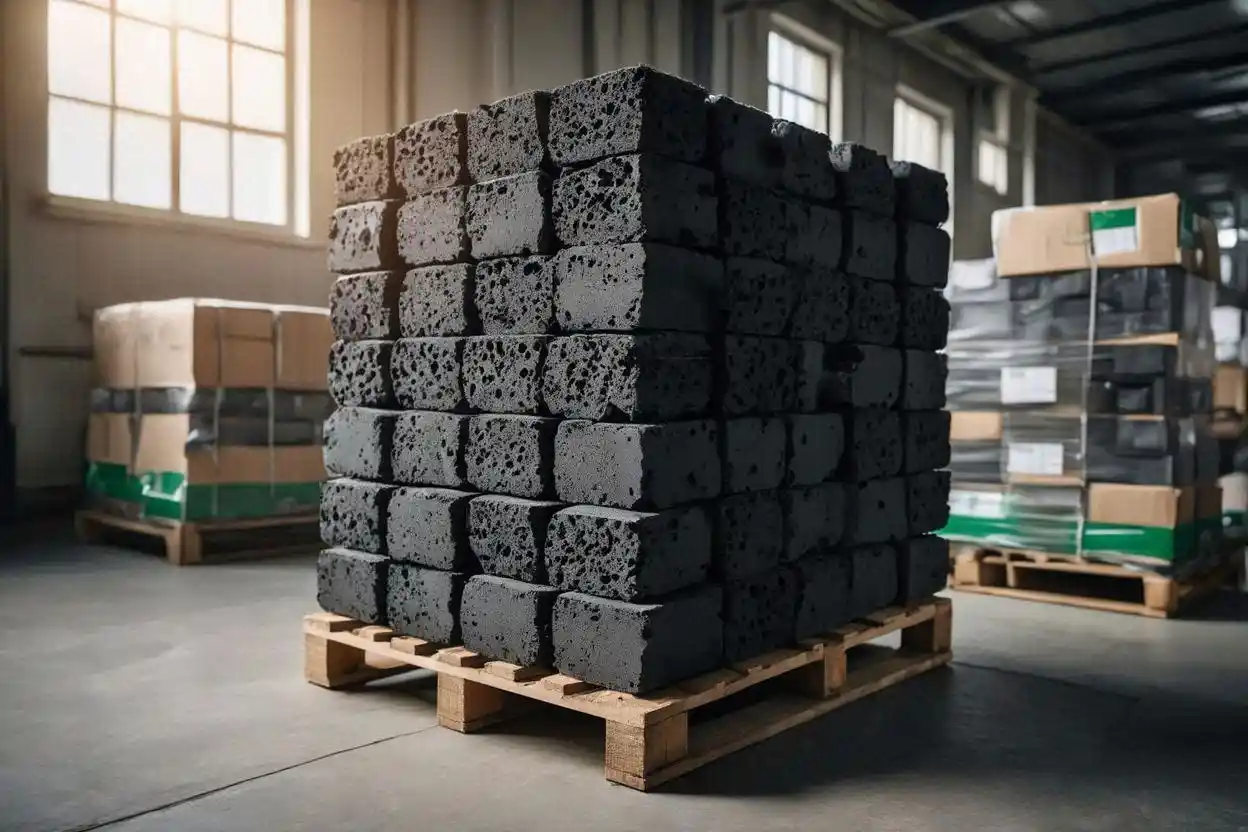
 Coconut Charcoal Briquettes for Importers Reliable Global Supply
The global demand for coconut charcoal briquettes for importers continues to grow every year. Restaurants, shisha lounges, and barbecue businesses increasingly look for fuel that burns efficiently and supports sustainable practices.
They burn longer, produce minimal ash, and use renewable raw materials. Therefore, many importers see them as a profitable product in the international fuel market.
Why Importers Choose Coconut Briquettes
First of all, coconut charcoal briquettes provide consistent heat and reliable performance. Because of this stability, many commercial users prefer them over traditional lump charcoal.
Moreover, coconut shells are widely available in tropical countries. Consequently, manufacturers can produce briquettes in large volumes while maintaining competitive prices.
In addition, sustainability plays an important role. Many distributors now promote coconut briquettes as a more environmentally responsible fuel option.
Quality Standards for Coconut Briquettes
Before purchasing coconut charcoal briquettes for importers, buyers should evaluate several quality factors. This step is essential because product performance directly affects customer satisfaction.
For example, importers typically review the following characteristics:
-
High fixed carbon content for longer burning time
-
Low ash percentage for cleaner combustion
-
Uniform cube size for consistent heat distribution
-
Low moisture level for easy ignition
-
Strong packaging for safe international transport
Furthermore, experienced importers often request product samples before placing bulk orders. This approach helps them confirm consistency and reliability.
Coconut Charcoal Briquettes for Importers Markets
Next, it is important to understand where coconut briquettes are most widely used. In fact, several industries rely on these products for daily operations.
Common markets include:
-
Hookah and shisha lounges
-
Barbecue restaurants
-
Retail charcoal distributors
-
Outdoor cooking brands
-
Hospitality and catering services
For instance, shisha lounges prefer coconut briquettes because they maintain stable heat without affecting flavor. Meanwhile, barbecue businesses value their long burn duration during grilling.
Therefore, the global market for coconut charcoal briquettes continues to expand steadily.
Choosing Coconut Charcoal Briquettes Supplier
After identifying the market, importers must carefully select their suppliers. A reliable manufacturer ensures stable production capacity and consistent product standards.
For this reason, many buyers prefer working with an experienced coconut charcoal briquette supplier that understands international export requirements.
Such suppliers usually provide quality inspection reports, standardized packaging, and export documentation. In addition, clear communication helps importers avoid misunderstandings during large transactions.
Therefore, verifying production capability and delivery timelines becomes an essential step before finalizing any purchase agreement.
Logistics for Coconut Charcoal Briquettes Importers
Equally important, logistics planning plays a major role in international trade. Importers must organize packaging, container loading, and shipping schedules carefully.
Manufacturers pack briquettes in plastic bags and cartons. This packaging keeps briquettes dry during shipping.
Furthermore, containers must remain properly ventilated to prevent moisture buildup. Without proper ventilation, product quality may decline during transportation.
Importers should also check customs regulations in their destination country. Some markets require additional documents such as fumigation certificates or product inspection reports.
Industry Information for Briquette Importers
Finally, staying informed about industry trends helps importers make better purchasing decisions. Market insights often reveal new product standards, supplier innovations, and export opportunities.
For example, jacoid.com offers various blog references discussing charcoal briquettes, export trends, and related industry topics.
Conclusion
The international market for coconut charcoal briquettes for importers continues to grow as businesses search for efficient and sustainable fuel solutions. Their long burning time, low ash output, and renewable raw materials make them highly attractive across many industries.
Nevertheless, successful importing requires careful evaluation. Importers must review quality standards, choose dependable suppliers, and plan logistics properly.
When these factors are managed well, coconut charcoal briquettes can become a reliable and profitable product for distributors in global markets.

0